


Best Multi-Gym Machines for Home Use: What to Look For
Setting up a home gym is a great way to make working out more convenient. But buying a separate machine for every exercise can get expensive and take up more space than you have. This is where a multi-gym can be useful. It brings several exercises together in one setup, making it easier to train different muscle groups at home.
If you are thinking about buying a multi-gym, there are a few things worth checking before making a decision. The right machine should suit your workout routine, fit your available space and provide enough resistance as you progress.
Here is a closer look at what to consider when choosing a multi-gym for home use.
What Is a Home Multi-Gym Machine?
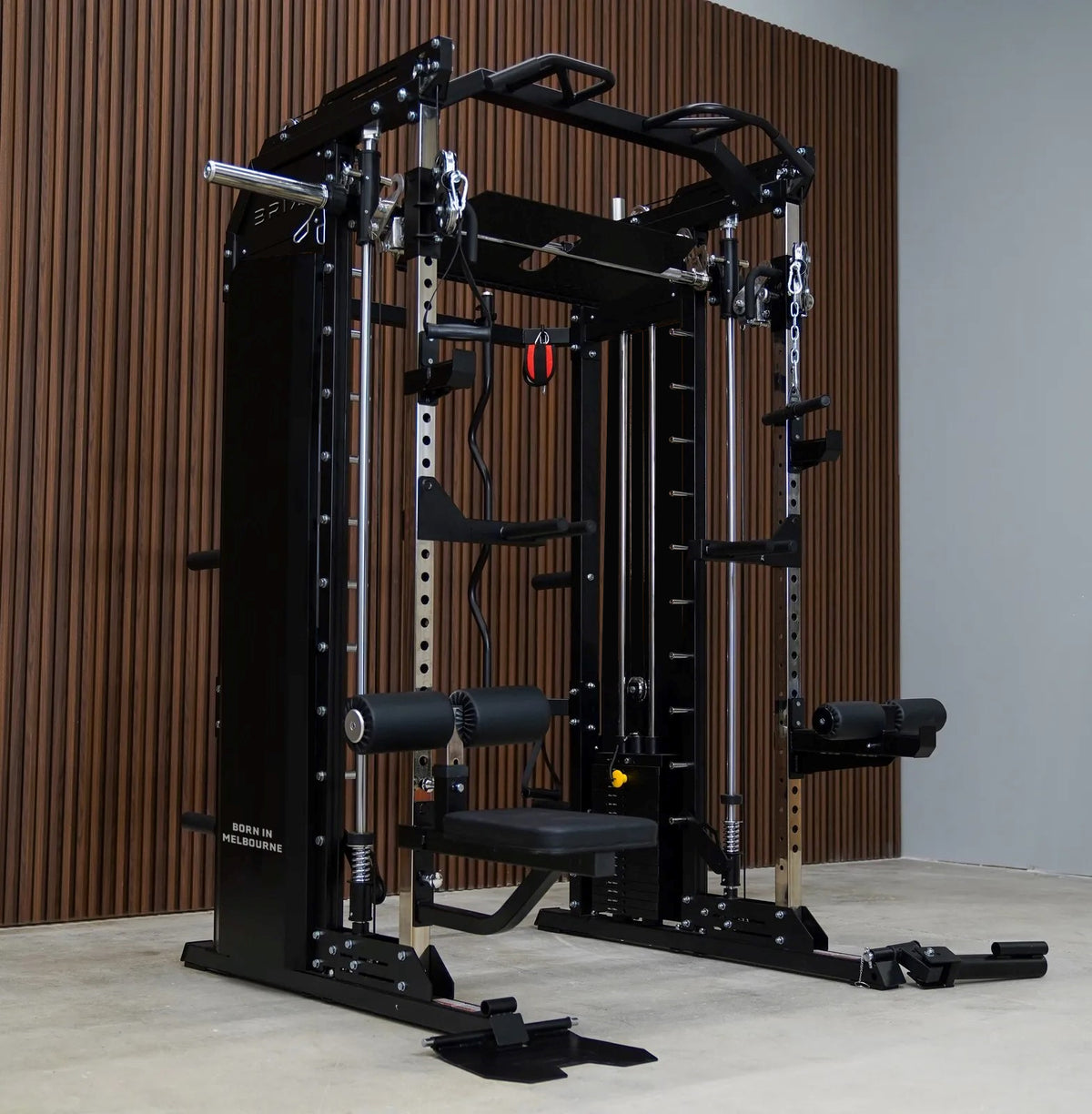
A multi-gym is a piece of strength-training equipment that lets you perform several exercises using the same machine. Depending on its design, you can train your chest, back, shoulders, arms and legs without needing separate equipment for each muscle group.
Most multi-gyms use either a weight stack or weight plates for resistance. Some also come with features such as a bench, cable pulleys, a leg extension attachment or a lat pulldown station.
For anyone working with limited space, a multi-gym can be a practical option. It allows you to fit a variety of exercises into one workout area.
Types of Multi-Gym Machines
Not all multi-gyms are built the same way. Some are designed for basic home workouts, while others offer more exercise options or can be used by multiple people.
Single-Station Multi-Gym
A single-station multi-gym is designed for one person to use at a time. It combines several exercises into one machine and is often a good fit for a home gym where space is limited.
Multi-Station Multi-Gym
A multi-station machine has different workout stations, and some models allow more than one person to train at the same time. These machines tend to be larger, making them more suitable for households with multiple users or bigger workout spaces.
All-in-One Training Systems
All-in-one systems bring several training functions together, often including cables, racks, benches and different attachments. They offer more flexibility in terms of exercises, but they can also take up more room and cost more than a basic multi-gym.
What to Look for When Buying a Home Multi-Gym
1. Think About the Exercises You Want to Do
Before comparing machines, consider what your workout routine will look like.
If you are mainly interested in general fitness, a multi-gym that covers basic pushing, pulling and leg exercises may be enough. If you follow a more structured strength-training routine, you may want a machine that supports exercises such as chest presses, lat pulldowns, rows, leg extensions and cable movements.
Take a look at the exercises each machine offers. A long list of exercises does not necessarily make a machine the right choice. What matters is whether it includes the movements you actually plan to use.
2. Check the Resistance System
Most multi-gyms use either a weight stack or weight plates.
With a weight-stack machine, you can change the resistance using a selector pin. This is convenient when switching between exercises or adjusting the weight during a workout.
A plate-loaded machine works by adding or removing weight plates. This gives you control over the amount of weight used, although changing it can take a little more time.
It is also worth checking the machine’s resistance range. You want enough weight for your current training level, with room to increase it as you get stronger.
3. Make Sure It Fits Your Space
A multi-gym may look compact in a product photo, but it is important to check its actual dimensions before buying.
Measure the area where you plan to place it and compare it with the machine’s length, width and height. Also check the ceiling height, especially if you plan to use exercises such as lat pulldowns.
Remember to leave enough room around the machine to move comfortably, adjust the attachments and perform exercises without feeling cramped.
If you are setting up a gym in a garage or spare room, think about how the equipment will fit alongside anything else you already have.
4. Check Adjustability and Comfort
A machine should feel comfortable to use, not force you into an awkward position.
Look for adjustable seats, backrests, pulleys and attachments. These features can make it easier to set the machine up properly for your height and the exercise you are doing.
If more than one person will be using the multi-gym, adjustability is especially useful. It allows each person to find a comfortable position without too much hassle.
5. Pay Attention to the Build Quality
The frame, cables and pulleys all play a part in how a multi-gym performs over time.
Check the product specifications for details about the frame, weight capacity and cable system. The machine should feel stable during use, rather than wobbling or moving excessively.
It is also worth checking whether replacement parts, cables or attachments are available. This can make maintenance easier if something needs to be replaced later.
6. Look at the Total Cost
The price of the machine is only one part of the cost.
Depending on the model, you may also need to pay for weight plates, delivery, installation or additional attachments. Before buying, check exactly what is included.
It is also a good idea to review the warranty and understand what it covers. Comparing the full cost can help you avoid unexpected expenses after your purchase.
Is a Multi-Gym Worth It for Home Use?
A multi-gym can be a good choice if you want to train different muscle groups without filling your home with separate machines. It can make workouts more convenient and help you get more out of a limited space.
That said, it is not the right option for everyone. If you prefer free weights or need equipment for specific exercises, buying separate pieces of equipment may give you more flexibility.
It comes down to how you train, how much space you have and what you want to get out of your home gym.
Pin-Loaded vs Plate-Loaded Multi-Gyms
One of the decisions you may come across when comparing multi-gyms is whether to choose a pin-loaded or plate-loaded machine.
Pin-loaded machines are generally easier to adjust. You simply move the selector pin to change the weight, which can be helpful when switching between exercises.
Plate-loaded machines require you to add or remove weight plates manually. This takes a little more time, but can be a good option if you already own weight plates or prefer this type of setup.
Neither option is automatically better. Think about how you prefer to train, how often you change weights and whether the machine offers the resistance you need.
Home Multi-Gym Buying Checklist
Before making your purchase, take a moment to check the following:
- Does the machine include the exercises you want to do?
- Is the resistance suitable for your current level and future progress?
- Will it fit comfortably in your workout space?
- Can the seat, handles and attachments be adjusted?
- Is the frame and cable system stable and well-built?
- Are delivery, installation and accessories included in the price?
- What does the warranty cover?
- Are replacement parts available if needed?
A little research before buying can help you find a machine that fits your space, budget and training routine.
Find a Multi-Gym That Fits Your Training
Choosing a multi-gym does not have to be complicated. Start with the exercises you want to do, then compare the resistance system, dimensions, comfort and build quality of the machines you are considering.
You can explore different multi-gym options and compare their features to find one that works for your home workout space.
Frequently Asked Questions
1. Is a multi-gym suitable for beginners?
Yes. Adjustable resistance and guided movements make many multi-gyms suitable for beginners.
2. Can you get a full-body workout on a multi-gym?
Yes. Many models include exercises for the chest, back, arms, shoulders and legs.
3. How much space does a home multi-gym need?
It depends on the model. Check its dimensions, ceiling height and the space needed to exercise comfortably.
4. What is the difference between pin-loaded and plate-loaded multi-gyms?
Pin-loaded machines use a selector pin to change the weight. Plate-loaded machines require you to add or remove weight plates.
5. Is a multi-gym better than separate machines?
A multi-gym combines several exercises in one setup and can save space. Separate machines offer more specialised training.
6. What should I check before buying a multi-gym?
Look at the exercises, resistance range, dimensions, build quality, adjustability and warranty.