

Best Home Gym Equipment for Weight Loss: What You Actually Need
Losing weight at home doesn't mean you need to turn your spare room into a fully equipped gym. A few well chosen pieces of equipment can be enough to get started. The trick is knowing what to buy and what you can do without.

Some people prefer walking or cycling, while others enjoy lifting weights. Your choice of equipment should reflect the kind of exercise you enjoy, the space you have and how much you want to spend.
In this guide, we'll look at the home gym equipment for weight loss that's worth considering, what each option is useful for and how to put together a workout routine that fits your lifestyle.
What Equipment Is Best for Weight Loss at Home?
There isn't one piece of equipment that works for everyone. It depends on how you like to exercise and what you want to achieve.
If you enjoy walking, running or cycling, a treadmill or exercise bike could be a good place to start. If you'd rather focus on strength training, a set of dumbbells might be more useful. Rowing machines offer another option if you want to combine cardio with a workout that uses several major muscle groups.
You don't need to buy everything at once. Start with equipment that suits your goals and build your home gym as your routine develops.
Cardio Equipment for Home Workouts
Cardio is a useful way to get more movement into your day and improve your fitness. Having a machine at home can make it easier to exercise when you don't have time to travel to a gym.
Here are three options worth considering.
Treadmills
If you enjoy walking or running, a treadmill can be a practical addition to your home gym. You can use it throughout the year without worrying about the weather or finding a suitable outdoor route.
You don't have to run to get started, either. Walking at a steady pace is a good option for beginners. As your fitness improves, you can increase the speed, add an incline or introduce short jogging intervals.
Before buying a treadmill, think about how often you'll use it and where you'll put it. Check its dimensions and make sure you have enough room to use it comfortably.
Best for: People who enjoy walking, jogging or running and want to exercise at home.
Exercise Bikes
An exercise bike is worth considering if you enjoy cycling but prefer to work out indoors. It provides a cardio workout without the repeated impact associated with running.
You can start with light resistance and short sessions, then gradually increase the difficulty as your fitness improves. Some people also find it easier to fit cycling into their day because they can watch television or listen to music while exercising.
The type of bike you choose matters, too. Consider the seat, adjustability and available resistance levels before making a decision.
Best for: People who enjoy cycling or want a low impact cardio option.
Rowing Machines
Rowing machines offer something a little different from treadmills and exercise bikes. The movement works your legs, back and arms while also challenging your cardiovascular fitness.
They're worth considering if you want a workout that combines cardio with resistance from the rowing movement. However, technique matters. Taking the time to learn the correct movement can help you exercise more effectively and reduce unnecessary strain.
You'll also need enough room to use the machine comfortably, so check its dimensions before buying.
Best for: People who want a cardio workout that involves both the upper and lower body.
You can compare different options in the BRIXX Fitness cardio equipment collection.
Strength Training Equipment for Weight Loss
Cardio isn't the only type of exercise worth including in your routine. Strength training helps you build and maintain muscle, which is particularly useful when you're trying to lose body fat while keeping your strength.
You can get started with just a few pieces of equipment. The right choice depends on your experience, budget and available space.
Dumbbells
Dumbbells are a good starting point for many home gyms because they're versatile and don't take up much room.
You can use them for squats, lunges, rows, shoulder presses and other exercises that work different parts of your body. This makes it easier to put together a full body workout without buying several machines.
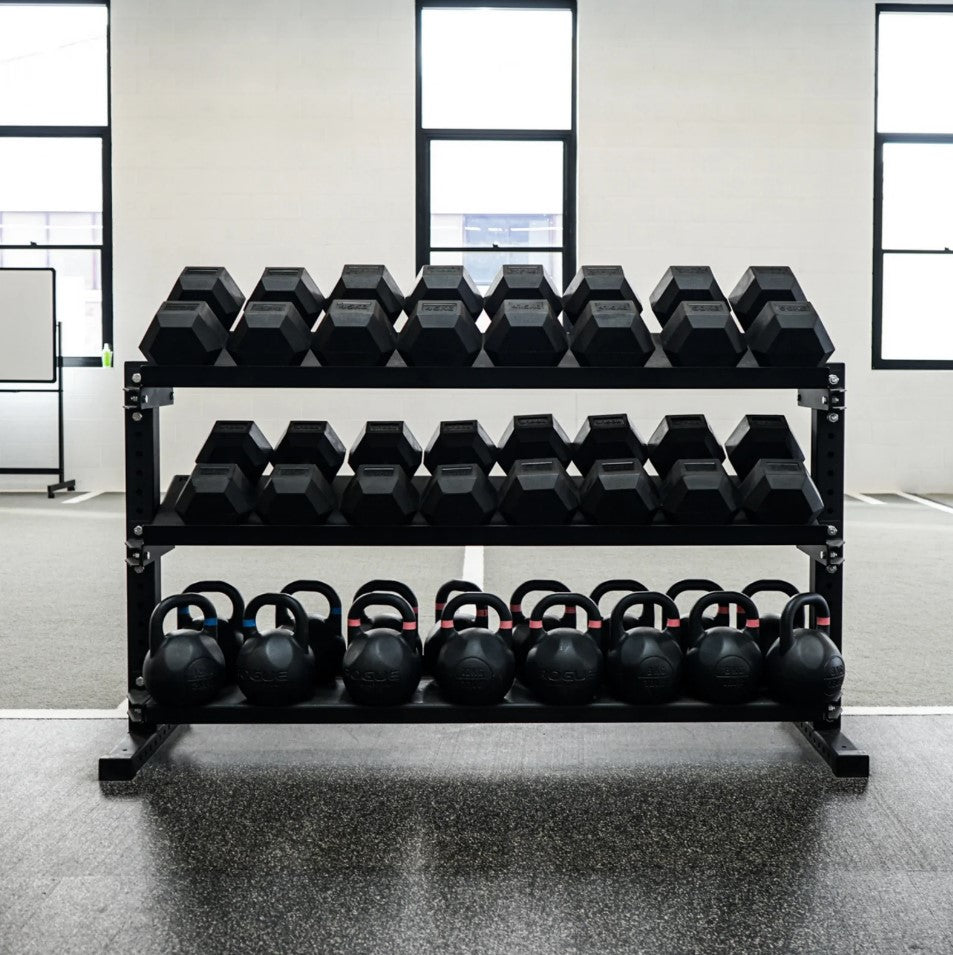
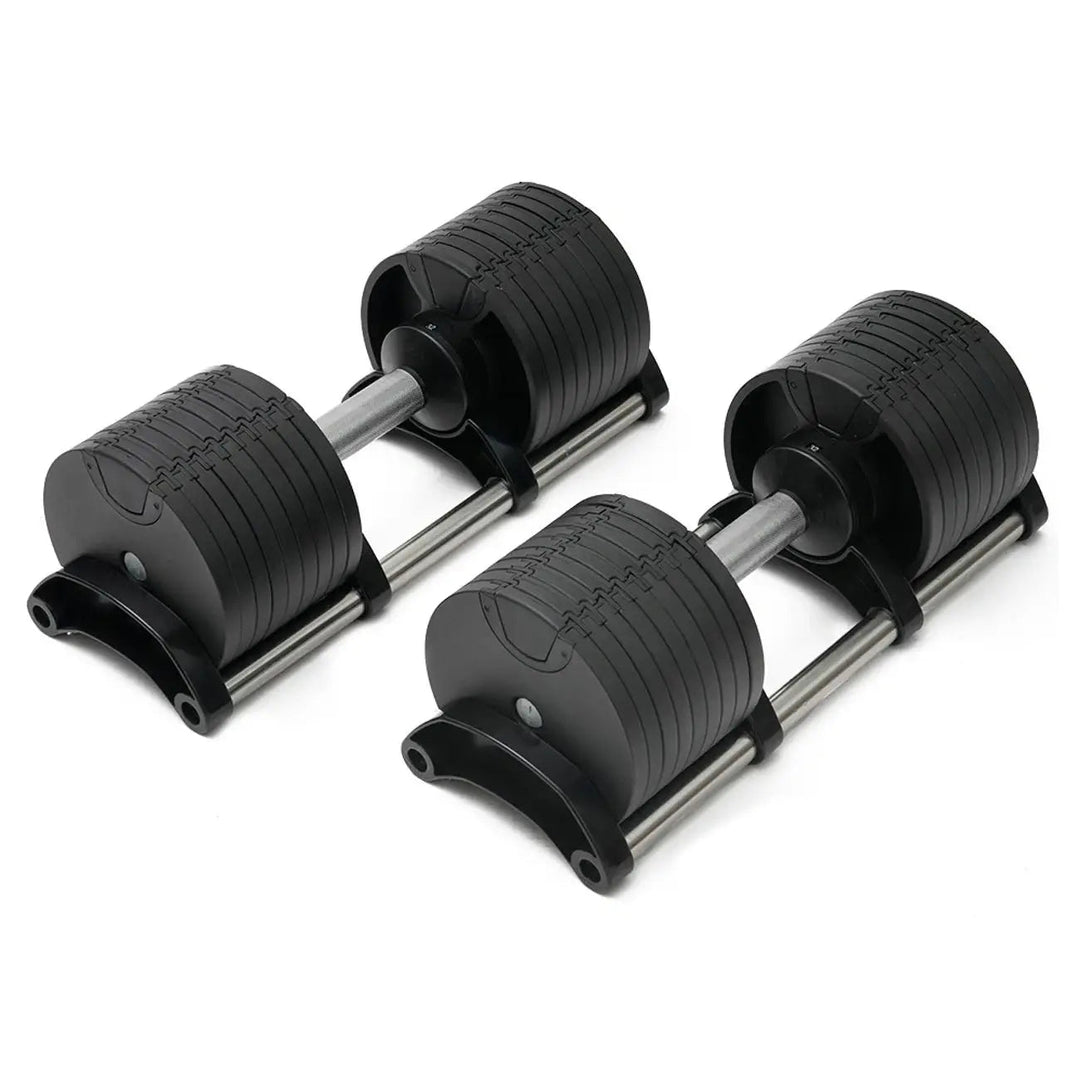
If you don't want to store multiple pairs of weights, adjustable dumbbells let you change the resistance using one set. Fixed hex dumbbell sets are another option if you prefer having specific weights ready to use.
Start with weights you can control comfortably and increase the resistance as you get stronger.
Best for: Beginners, smaller workout spaces and people who want versatile strength training equipment.
Barbells and Weight Plates
If you want to take your strength training further, barbells and weight plates give you more room to progress.
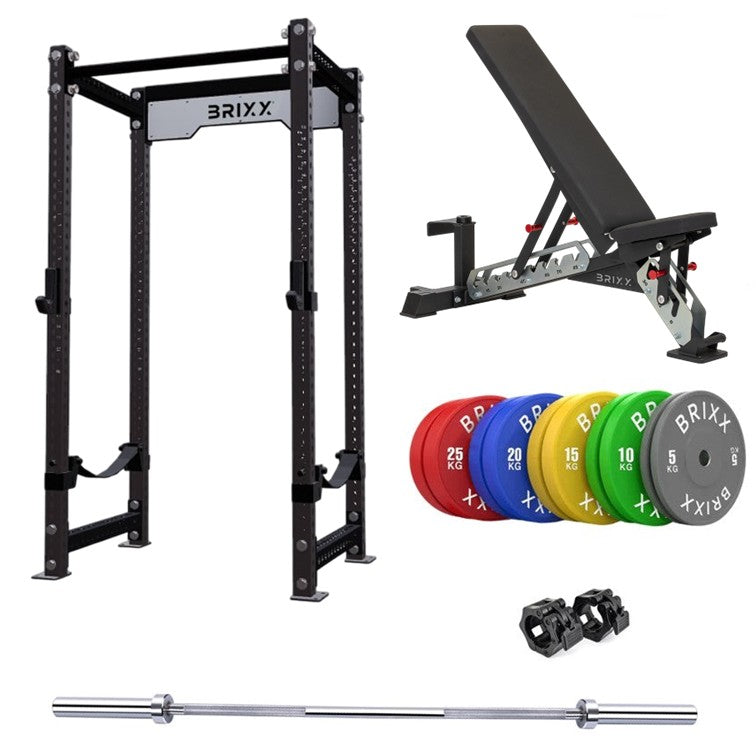
They can be used for exercises such as squats, deadlifts, rows and presses, depending on your setup. You can gradually increase the weight as your strength improves, making them useful for a more structured training routine.
The main consideration is space. Barbells often work best in a dedicated workout area, particularly if you also need a rack or bench. If you're new to lifting, learn the correct technique before working with heavier weights.
Best for: People who want to progress with strength training and have enough room for a larger setup.
Weight Benches
A weight bench gives you more options when training with dumbbells or barbells. Depending on its design, you can use it for chest presses, seated shoulder presses and supported rows.
A flat bench may be enough for basic exercises, while an adjustable bench allows you to train at different angles.
You don't necessarily need a bench on day one. If you're starting with a few dumbbells, you can choose your first exercises around the equipment you already have and add a bench when you need more variety.
When you're ready to add one, compare the available weight benches based on the exercises you plan to do and the space you have.
Best for: People who want to expand their strength training options at home.
Cardio and Strength Training: Why Both Matter
If your goal is to lose weight, it's worth making room for both cardio and strength training.
Cardio helps you improve your fitness and use energy during exercise. Strength training helps you develop and maintain muscle. Together, they provide a more balanced approach than focusing on just one type of workout.
You don't have to do both every day. You could use a treadmill or exercise bike a couple of days a week and set aside other days for strength training.
For example, you might start with two strength sessions and a few walks each week. Once that feels manageable, you can gradually increase your activity.
It's also important to remember that weight loss isn't determined by exercise alone. What you eat, how much you move throughout the day, your sleep and your ability to stick to a routine all play a part.
The best equipment is useful, but what matters most is how you use it.
How to Choose the Right Equipment for Your Home
Before spending money on gym equipment, think about what you'll realistically use. A machine might look impressive, but it isn't much help if it doesn't fit your space or your routine.
Consider Your Budget
You don't need to buy everything at once. Starting small can help you work out what you enjoy before spending more.
If you're on a budget, a set of dumbbells can give you plenty of options for strength training. If cardio is more your thing, you could focus on one machine, such as an exercise bike or treadmill.
Remember to include delivery costs and any accessories you might need when comparing prices.
Make the Most of Your Space
Think about where you'll exercise before choosing your equipment. Measure the available area and check the dimensions of anything you're considering.
Adjustable dumbbells may be a sensible choice for a spare room or apartment. If you have a garage or a dedicated workout room, you may have space for a bench, barbell and cardio machine.
Also consider how easy the equipment is to store and whether you'll have enough room to move safely while exercising.
Choose Equipment That Suits Your Fitness Level
If you're new to working out, there's no need to start with heavy weights or intense sessions.
Choose equipment that lets you begin at a comfortable level and gradually increase the difficulty. With dumbbells, that means starting with manageable weights. With a treadmill or exercise bike, it means choosing a pace and resistance you can maintain.
If you have an injury or a health condition that could affect your exercise choices, speak to a qualified healthcare professional about what's appropriate for you.
Think About What You Enjoy
Be honest with yourself about the kind of exercise you like.
If you enjoy walking, a treadmill might be a better investment than a rowing machine. If you prefer cycling, an exercise bike could be the one you'll use most. If you enjoy lifting weights, start with dumbbells and add more equipment as needed.
You don't have to choose the equipment that looks the most impressive. Choose something that fits your routine and makes it easier to keep showing up.
How to Start Your Home Workout Routine
Once you've chosen your equipment, start with a routine you can realistically manage. You don't need to exercise intensely every day. A mix of cardio, strength training and rest is a sensible starting point.
Here's an example of a weekly routine for beginners.
| Day | Workout | Equipment | What to do |
|---|---|---|---|
| Monday | Full body strength training | Dumbbells | Try squats, rows and shoulder presses. Use manageable weights and focus on technique. |
| Tuesday | Cardio | Treadmill or exercise bike | Walk or cycle at a comfortable pace. Start with a session that feels manageable. |
| Wednesday | Active recovery | None | Go for a walk or do some gentle movement. |
| Thursday | Full body strength training | Dumbbells or barbells | Repeat your main strength exercises and focus on controlled movements. |
| Friday | Cardio | Treadmill, exercise bike or rowing machine | Choose a cardio workout that suits your fitness level. |
| Saturday | Light activity | Optional | Go for a walk, cycle outdoors or do another activity you enjoy. |
| Sunday | Rest | None | Give your body time to recover. Gentle movement is optional. |
Treat this schedule as a starting point rather than a strict plan. If you're new to exercise, begin with fewer sessions and increase your activity gradually.
For weight loss, combine exercise with balanced nutrition, enough sleep and realistic expectations. You can track your progress through changes in strength, fitness, energy levels and body measurements, rather than focusing only on your weight.
Find the Right Home Gym Equipment for Your Needs
You don't need a room full of machines to get started with home workouts. A treadmill, exercise bike or set of dumbbells may be enough to help you establish a routine, depending on your goals and preferences.
Start with what you need now. You can always add more equipment as your fitness improves or your workout routine changes.
Browse the BRIXX Fitness range of home gym equipment to compare options for your home gym.
Frequently Asked Questions
What is the best home gym equipment for weight loss?
It depends on the type of exercise you enjoy and your budget. Treadmills, exercise bikes and rowing machines are useful for cardio, while dumbbells, barbells and weight benches support strength training. Choose equipment that fits your space and that you're likely to use regularly.
Can you lose weight using home gym equipment?
Yes. Home gym equipment can help you become more active and support your weight loss goals. Your results also depend on your eating habits, daily activity, sleep and consistency. You can get started without spending a lot of money.
Is cardio or strength training better for weight loss?
Both have a role. Cardio helps improve cardiovascular fitness and increases the energy you use during exercise. Strength training helps you build and maintain muscle. Combining the two is a practical option for many people.
What is the cheapest equipment for weight loss at home?
Dumbbells are a useful starting point because you can use them for a range of exercises without needing much space. You can also begin with bodyweight exercises and walking before buying additional equipment.
How often should I exercise to lose weight?
The right amount depends on your current fitness and schedule. The World Health Organization recommends that adults aim for 150 to 300 minutes of moderate intensity aerobic activity each week, or an equivalent amount of vigorous activity, along with muscle strengthening activities on at least two days a week. If you're starting from a low activity level, build up gradually rather than trying to do everything at once.
Shop the gear in this post
 SHUA Sprint 2.0 Treadmill
$1,450.00
View product
 SHUA Sprint 1.0 Treadmill
$2,000.00
View product
 SHUA Commercial Light Spin Bike
$795.00
View product