

Abductor vs Adductor Machine: Muscles Worked, Benefits and How to Use It
If you've used the hip abductor and adductor machine at a gym, you probably know it as the seated machine where you push your legs apart and bring them back together.
Although the movements look simple, they train different muscles around your hips and thighs. Both exercises can be useful additions to a lower-body workout, but what exactly is the difference between them?
Here's how each movement works, which muscles it targets, how to use the machine correctly and whether it's worth having one in your home gym.

What Is the Difference Between Abductor and Adductor Machines?
The main difference comes down to the direction in which your legs move.
The abductor movement involves pushing your legs away from the centre of your body. It primarily works the muscles on the outer side of your hips.
The adductor movement involves bringing your legs towards the centre of your body. It targets the muscles along your inner thighs.
Many machines allow you to perform both movements by adjusting the thigh pads or changing your starting position.
| Feature | Abductor movement | Adductor movement |
|---|---|---|
| Leg movement | Push legs outward | Bring legs inward |
| Main muscles worked | Hip abductors | Hip adductors |
| Main muscle groups | Gluteus medius and gluteus minimus | Inner thigh adductor muscles |
| Common name | Outer thigh exercise | Inner thigh exercise |
| Main training focus | Hip movement and stability | Inner thigh strength and control |
Both movements train different muscle groups, so they can complement each other in a lower-body training routine.
What Muscles Does the Abductor Machine Work?
The abductor machine primarily targets the muscles on the outside of your hips.
When you push your legs outward against resistance, you work the hip abductor muscles, particularly the gluteus medius and gluteus minimus.
These muscles help move your legs away from your body's centre line. They also play an important role in keeping your pelvis stable during activities such as walking, running, squatting and climbing stairs.
Benefits of the Abductor Machine
Some reasons to include hip abduction exercises in your routine include:
- Strengthens the outer hip muscles: Targets muscles that support hip movement and stability.
- Supports pelvic stability: The hip abductors help keep your pelvis level during single-leg movements.
- Adds variety to lower-body training: Provides a way to train the outer hip muscles with controlled resistance.
- Allows controlled resistance: You can adjust the load to suit your current strength and training level.
The abductor machine can be useful alongside exercises such as squats, lunges and hip thrusts. It should complement these movements rather than replace them.
What Muscles Does the Adductor Machine Work?
The adductor machine targets the muscles along the inside of your thighs.
During the movement, you bring your legs towards each other against resistance. This works the hip adductor muscle group, which includes the adductor longus, adductor brevis, adductor magnus, gracilis and pectineus.
These muscles help bring your legs towards the centre of your body. They also contribute to hip control and stability during lower-body movements.
Benefits of the Adductor Machine
Adding adductor exercises to your routine can help:
- Strengthen the inner thighs: Directly targets the muscles responsible for bringing your legs together.
- Support hip movement: Trains muscles involved in controlling the position of your legs.
- Improve lower-body training balance: Gives attention to the inner thigh muscles, which may receive less direct work in some routines.
- Provide controlled resistance: Makes it easier to train the adductors through a consistent movement.
Adductor training can complement compound exercises such as squats and lunges, which also involve the inner thigh muscles.
How to Use an Abductor and Adductor Machine Correctly
If your machine supports both movements, you can train your inner and outer thighs in the same session.
The exact setup will depend on the machine, so always follow its adjustment instructions.
How to Perform the Abductor Movement
- Sit on the machine with your back supported against the backrest.
- Position your thighs against the pads according to the machine's instructions.
- Set a comfortable starting position with your legs closer together.
- Push your legs outward against the resistance.
- Pause briefly when you reach a comfortable range of motion.
- Slowly bring your legs back towards the starting position.
Avoid using momentum or forcing your legs beyond a comfortable range.
How to Perform the Adductor Movement
- Sit with your back supported and your feet positioned comfortably.
- Adjust the thigh pads to suit the inward movement.
- Start with your legs apart within a comfortable range.
- Bring your legs towards each other against the resistance.
- Pause briefly when your legs come closer together.
- Slowly return to the starting position.
Keep the movement controlled. You do not need to use a heavy load to get a useful training session.
Common Mistakes to Avoid
Both movements are relatively simple, but a few mistakes can make them less effective.
Using too much weight. Starting with a load that is too heavy can make it difficult to control the movement. Choose a resistance that allows you to complete each repetition with good technique.
Moving too quickly. Rushing through repetitions reduces your control over the movement. Use a steady pace, especially when returning to the starting position.
Forcing the range of motion. Everyone has a different level of hip mobility. Avoid pushing your legs further than feels comfortable.
Ignoring the machine adjustments. Incorrect seat or pad positioning can make the exercise uncomfortable. Adjust the machine before starting your set.
Is an Abductor and Adductor Machine Worth Having in a Home Gym?
That depends on how you train and how much space you have available.
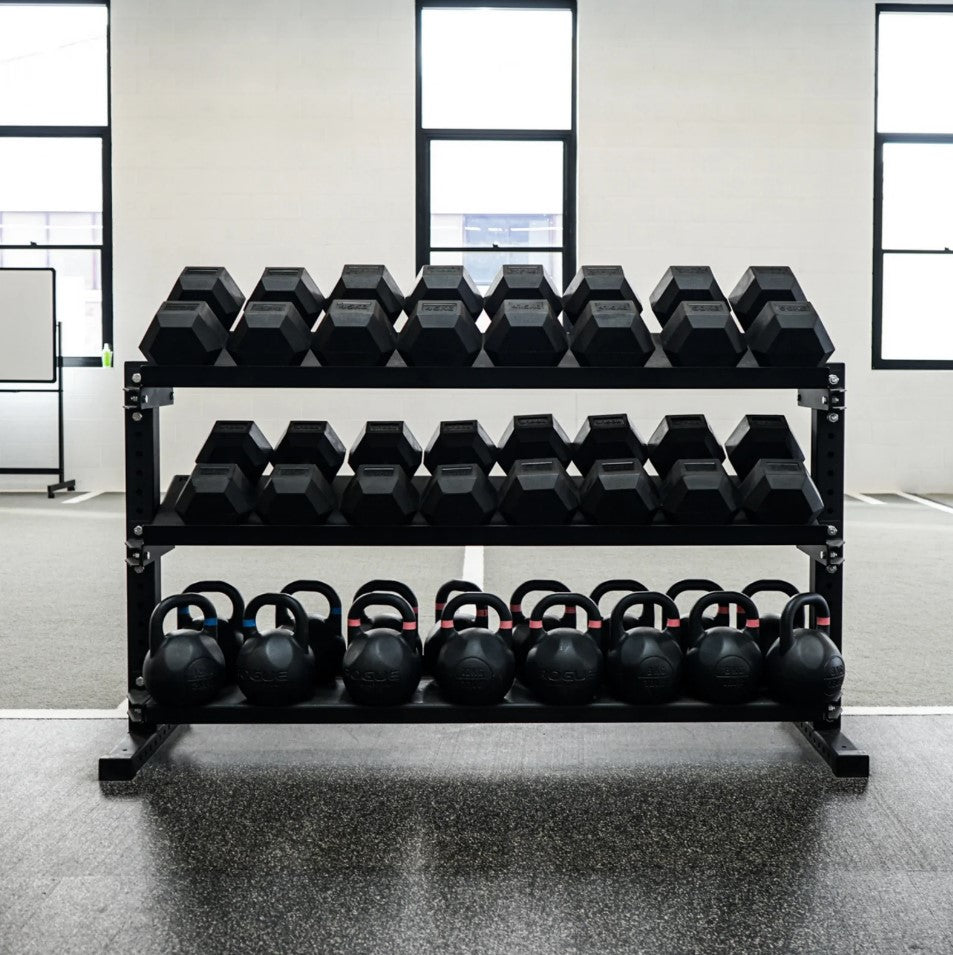
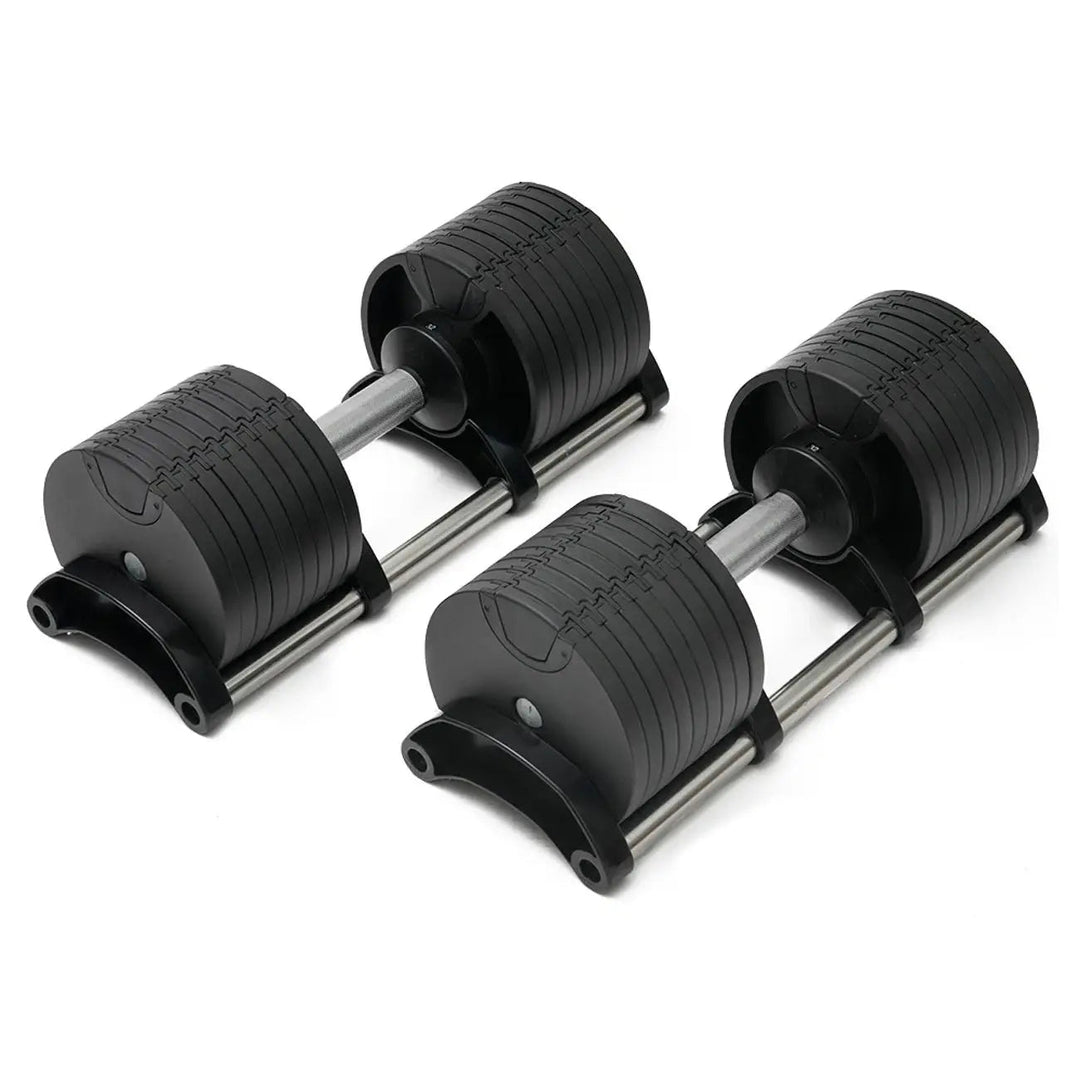
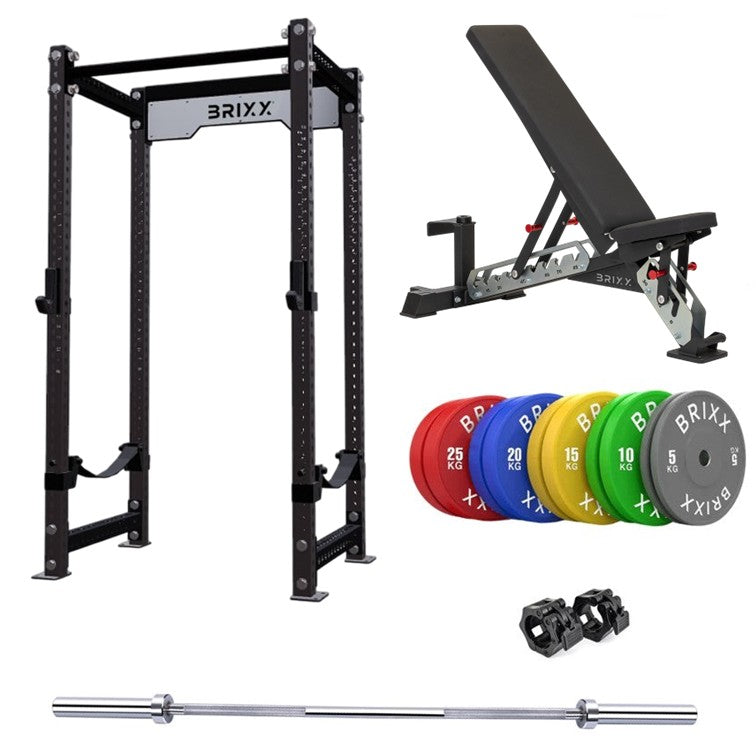
For someone building a basic home gym, an abductor and adductor machine probably isn't an essential first purchase. Equipment such as dumbbells, an adjustable bench and a rack can cover a wider range of exercises.
However, a dedicated lower-body training setup is a different story.
If you regularly train your glutes, hips and inner thighs, having a machine for both movements can add more variety to your workouts. It can also be useful if you prefer machine-based training or want to include these exercises without relying only on free weights.
Before buying one, consider:
- Available space: Check the machine's full footprint and allow enough room to get on and off comfortably.
- Loading system: Plate-loaded machines require separate weight plates, while pin-loaded machines have a built-in weight stack.
- Adjustability: Check whether the seat, backrest and thigh pads can be adjusted to suit your body.
- Training needs: Consider how often you will use it and whether it fits your existing equipment setup.
For smaller home gyms, it may be more practical to prioritise versatile equipment first. For a dedicated gym or a facility with a strong focus on lower-body training, a combination machine can be a useful addition.
BRIXX Plate-Loaded Hip Abductor and Adductor Exercise Machine
 If you're looking for one machine that supports both movements, the BRIXX Plate-Loaded Hip Abductor and Adductor Exercise Machine is designed for this purpose.
It uses a plate-loaded system, allowing you to add Olympic weight plates according to your training requirements. The machine also includes adjustable seating and thigh pad positions to support both inward and outward leg movements.
Some of its listed features include:
- Plate-loaded resistance compatible with Olympic weight plates.
- Adjustable seat and backrest.
- Rotating thigh pads for inner and outer thigh movements.
- Dual foot positions.
- Rubber grip handles.
- Steel frame with a powder-coated finish.
The machine has a listed footprint of approximately 104.1 x 149.2 cm and a height of approximately 109.9 cm. Its listed weight capacity is 113.4 kg.
You can view the BRIXX Plate-Loaded Hip Abductor and Adductor Exercise Machine for more product details.
If you're planning a larger lower-body setup, you can also browse the BRIXX leg machines collection.
Frequently Asked Questions
Is the abductor or adductor machine better?
Neither is necessarily better. They train different muscle groups, so including both movements can help create a more balanced lower-body routine.
Does the abductor machine work your glutes?
Yes. The abductor machine primarily works the gluteus medius and gluteus minimus, which are located around the outer hip.
Does the adductor machine work your inner thighs?
Yes. It targets the hip adductor muscles, which run along the inside of your thighs.
Can beginners use abductor and adductor machines?
Yes. Beginners can use both machines with a light resistance and controlled movements. Focus on correct positioning before increasing the weight.
Are abductor and adductor machines good for home gyms?
They can be useful in dedicated home gyms, particularly for people who train their lower body regularly. However, they are not essential for every home gym setup.
Can I train both movements in one workout?
Yes. You can include both movements in the same lower-body workout, adjusting the resistance and number of sets to suit your training routine.
Final Thoughts
Abductor and adductor exercises may look similar, but they serve different purposes. The abductor movement trains the muscles around the outer hips, while the adductor movement focuses on the inner thighs.
Both can be useful additions to a lower-body routine, whether you're training at home or in a commercial gym.
If you have the space and regularly train these muscle groups, a machine that supports both movements can be a practical addition to your equipment setup.
Shop the gear in this post
 BRIXX Plate-Loaded Hip Abductor And Adductor Exercise Machine
$995.00
View product
 BRIXX Plate-Loaded Leg Extension & Curl Machine
$550.00
View product
 BRIXX Power Bench + Leg Extension and Curl Attachment
$445.00
View product